

Which offers more opportunities for women in the world of Higher Education?
by Coach Sean Emery
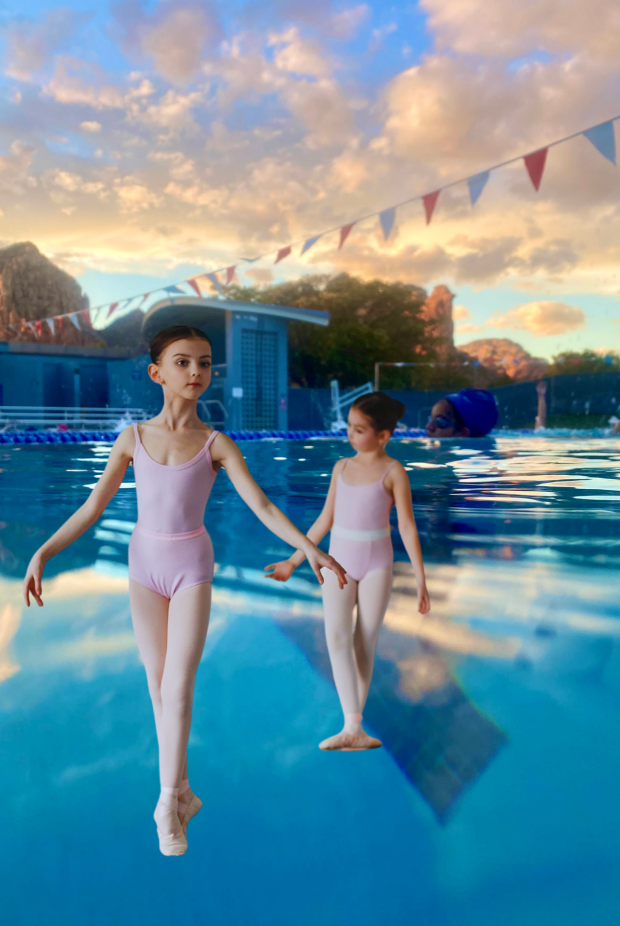
When evaluating extracurricular activities with an eye toward higher education opportunities, the real-world opportunities for college-age women afforded by focusing on swimming far outweigh the ballerina dreams of girlhood.
Both activities develop a child’s commitment, focus, athleticism, and expertise, but swimming offers significantly more prospects when it comes down to scholarships, college recruitment, and long-term career benefits. Let’s explore why swimming invariably provides a greater advantage when pursuing goals of higher education
- Scholarship Opportunities in Swimming vs. Dance
One of the biggest advantages of swimming over dance is the availability of scholarships. Many universities, particularly in the United States, offer athletic scholarships for female swimmers under NCAA, NAIA, and NJCAA programs. Title IX has also ensured that women’s sports, including swimming, receive funding and support equal to men’s programs.
Dance, on the other hand, typically falls under the performing arts rather than collegiate athletics. While some universities offer dance scholarships, they are far less common and are often based on talent in specific dance styles rather than general athletic performance. Additionally, many dance programs are part of liberal arts or fine arts departments, which may not have the same level of financial aid or structured recruitment as college swimming teams.
- College Recruitment and Accessibility
Competitive swimming has a well-established recruitment process, with coaches scouting high school and club swimmers for college teams. Swimmers can enter official recruitment channels, attend scouting events, and benefit from national rankings that make them visible to college programs.
In contrast, dance does not have the same formalized recruitment pipeline. While talented dancers can audition for university programs, the process is often subjective and competitive, with fewer guaranteed spots compared to athletic teams. Many dance programs prioritize students who are already pursuing degrees in performing arts rather than those who simply want to continue dance alongside their studies.
- NCAA and Title IX Support for Female Athletes
The NCAA (National Collegiate Athletic Association) regulates college sports and ensures that female athletes receive the same opportunities as their male counterparts. Women’s swimming teams are widely supported at the Division I, II, and III levels, providing athletes with structured training, competition opportunities, and academic support.
Dance, while recognized as an important art form, is not classified as an NCAA sport. This means dancers do not benefit from the same level of institutional support, training facilities, or guaranteed competitive opportunities that female swimmers do.
- Career and Networking Opportunities
A collegiate swimming experience often leads to strong networking connections with alumni, coaches, and professionals in sports-related fields. Many former swimmers transition into careers in coaching, sports medicine, physical therapy, and even corporate leadership, where their discipline and teamwork skills are highly valued.
While dance can also lead to careers in performance, choreography, or teaching, these opportunities are often limited and highly competitive. The financial stability of careers in dance is also less predictable compared to those stemming from swimming-related backgrounds.
- Longevity and Health Benefits
Swimming is a lifelong sport that provides extensive physical and mental health benefits. It is low-impact, reducing the risk of injury compared to high-impact dance styles. Many former collegiate swimmers continue to swim recreationally, coach, or compete in master’s-level swimming events well into adulthood.
Dance, while beneficial for flexibility and coordination, often has a higher risk of injuries, particularly in ballet, contemporary, and hip-hop styles. The physical toll of dance can limit long-term participation, making it harder for dancers to sustain their practice beyond their college years.
Conclusion
While both swimming and dance offer valuable experiences, swimming provides significantly more opportunities for women in higher education. From athletic scholarships and NCAA support to well-structured recruitment and long-term career benefits, swimming offers a clear path to academic and professional success. Women looking to use their athletic talents to advance in higher education are more likely to find financial aid, competitive experiences, and career development through swimming than through dance.
 Off the Wall